After that long walk let’s visit the 2nd floor and see where I lived and grew up. We enter through the porch hall door and go up a long flight of stairs to the 2nd floor. I remember falling down those stairs many a time. When you enter the apartment you come into the dining room. At this point I have too ask you to take off your shoes. If we go to the left you’ll find the front room and a small bedroom... The bedroom has a window and small roof that overlooks Evergreen Avenue. The room had a bed, old wobbly dresser and chair, There was no door. The front room had three large windows that faced an alley that went all the way to North Avenue. There was a fireplace that was never used, we always felt it unsafe. In the front room was a 3 cushioned red couch, matching red chair and two c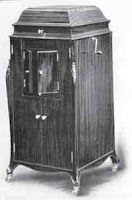 offee tables, a table lamp and floor lamp. Yes, we had electricity. By the fireplace I kept a small brown bear. There were 3 bedrooms each with linoleum floors to cover the rotten floors, the kitchen had linoleum and the front room and dining room had 9x12 oriental looking rugs, there was a long runner in the dining room. In between the front room and dining room was a sliding door that was never used .In the dining room we had a large dining room table and chairs, a cedar chest, radio ,an old fashioned victrola (phonograph), pot belly coal stove and telephone bench. The walls were wallpapered and there was a mirror over the fireplace and a floral picture in the dining room. My father’s wedding portrait decorated a wall in the dining room. In those days we had the black phone with no dial. There weren’t many phones so you placed your call through an operator. Most calls were made from outside phone booths found on nearby street corners. To save money you purchased a party line that was shared with one or two parties. It was interesting to pick up the phone and hear someone’s conversation, you waited till they were finished than initiated your call. At the end of the dining room, on the right, was a large bedroom with two windows and a closet. This bedroom had a bed, dresser, chair and a metal clothes closet.
As we leave the dining room we enter a small hallway, on the left was the bathroom with a tub, window, toilet, sink and a wall medicine cabinet... On the right side of the hallway was a built in china closet. In the china closet was kept our finer china and below where drawers to store linens and miscellaneous items. On top of the closet was open space for Christmas decorations. Next we enter the kitchen, on the left was a small cabinet for silverware, on top was a red corning pot, then came the kitchen sink with an oval mirror hanging above, a wringer washing machine, wate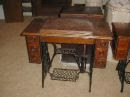 r heater and coal stove. Next to the coal stove was a Universal Gas Range. Yes we had gas. Next we had a window with a Singer Sewing machine in front of it. On the far wall was another window which looked out onto the back porch. We had a chair in front of the window and then we had our ice box. On the right side of the kitchen was a kitchen table and chairs. After entering the kitchen from the hallway on the right was a bedroom. The bedroom had a window, bed and dresser. It also had a closet. On the far right side of the kitchen was a pantry where we kept our groceries and everyday dishes. It had a window and wide shelve and underneath three drawers for pots, pans and utensils. The bottom drawer was for old newspapers. The newspapers were used in the winter months as Polish Carpets to keep the rugs clean. On the floor of the pantry you could find a wooden tool box, a large glass crock for storing potatoes and onions. After the pantry was the back door which led to the back porch and down to the back yard, on the porch was an old rocking chair. The winding stairs led to the yard and on the right stairs that led to the basement. It was always dirty and dingy. In the basement we had a shed for goal where we stored soft coal for the dining room and hard coal for the kitchen... Pulaski Coal Company would deliver the coal thru a window into the shed. We also had a small shed, known as the Shandra, for wood, wagon, screens and bundled paper for junk. Every year around Thanksgiving my father would chop and store wood in the Shandra for winter...
In the back yard was a garage, it was messy and never occupied... There was a back gate which led to the alley. Initially there were no garbage cans, maybe a slab or small area for dumping garbage. It wasn’t sanitary and attracted flies and rodents. Kids hunted the rodents with BB guns. Across the alley was an empty lot which led to Potomac Street. There was a two story house west of us and a three story house in front of it. On the East side was a two story home with yard and barn... Our back yard wasn’t well kept, more weeds than lawn or flowers. The houses with homes in the back didn’t have grass, they had concrete. Between the houses was a gangway that led to the front street.
Because of the airy windows and coal stoves, it was difficult to heat the apartment. Winters were extr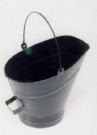 emely cold. Our front windows would freeze and you couldn’t see out. Jack Frost was a frequent visitor and we had long aisicles hanging down the windows and fine sculptured ice paintings on the windows... By morning the coal stoves would burn out and you’d wake up freezing. The ritual was to have wood, paper and coal on hand to start a new fire... Everyday we would take out the ashes which were collected from the bottom of the stove. The ashes were dumped in the alley and if icy used on the sidewalks. It was not unusual for the stove pipes to get red hot; I always thought they would explode. , Each day someone would go to the shed and bring up two buckets of coal and wood. Brrrr.
The kitchen was the main room where meals were prepared, clothes washed, hung to dry, and ironed. Mo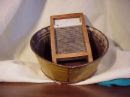 nday was wash day. . When I was 2 or 3 my mother used a wash tub and scr
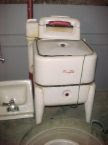 ubbing board, later she upgraded to the wringer washer. We would move the washer near an electric outlet near the bed room and carry buckets of water to fill it and empty it. She would use American Family Flakes, Rinso or Oxydol to wash the clothes. In the cold months we would hang ropes in the kitchen and hang the laundry to dry. Sometimes the laundry was sent out to Alba Laundry. Some clothes would be hung on the back porch. I can still picture my Levis standing tall and frozen at attention on the porch... In the summer months we set up a pulley from the back porch to the garage to hang the clothes to dry. Tuesday and Wednesday were set aside for ironing. Since money was limited we had a lot of soups. There would be kapusta (cabbage) soup, borsht, potatoe,barley, split pea; and in the summer, potatoes and buttermilk (maslanka) or rice and milk. We’d get a meat bone and soup greens for vegetable soup. For meat we had cheaper cuts such as liver or kidneys. We rarely indulged in steaks and chops. On Sunday we would have chicken soup and mayonnaised lettuce. A rare treat would be golambki (stuffed cabbage). We always had milk, coffee and tea to drink. Since we did not have refrigerators the food was bought fresh and made the same day. It was rare to have leftovers. For breakfast we had hard rolls or sweet rolls, sometimes oatmeal or eggs. For lunch we had lunch meats: ham, krakoska, spice ham, minced ham, and maybe liver sausage. Periodically we had polish sausage or hot dogs with pork and beans. Sometimes we had fried baloney. A lot of food was fried and not especially healthy. Fridays were fish days and meat was forbidden... Although money was tight, we were never deprived and always had plenty to eat.
My mother was extremely clean which meant we were always cleaning. Everyday we dusted, fixed the beds, washed dishes, used the manual carpet sweeper to clean the carpets and shook out throw rugs. In those days people didn’t have vacuum cleaners... The kitchen floor was washed 3 or 4 times a week. Weather permitting the windows were washed inside and out every month, You’d have to sit on the outside window ledge and pull the window up and down to wash the outside.. There were times that we would have to change the window ropes that were tied to the weights in the window frame. When the windows were cleaned my mother would wash and stretch her curtains. All the windows had shades. The front room and dining room c urtains were starched and stretched. We had a curtain stretcher that occupied part of the dining room for curtain stretching. All the woodwork was polished with ole cedar polish and gave off a sparkling radiance to the dark woodwork found throughout the house. The hallway stairs were washed every week. Periodically we would take the couch cushions outside and clean them by beating them with a wire stick. The same held true for some of the rugs. The stove pipes and stoves were polished with black stove polish. Once a year the walls were washed. .The house was cleaner than clean...
By the mid 1940’s we had upgraded to a refrigerator and small kitchen gas heater.
Next week when we come back we’ll continue to discuss life on the 2nd floor of 2143 W. Evergreen.
Sasiad
 offee tables, a table lamp and floor lamp. Yes, we had electricity. By the fireplace I kept a small brown bear. There were 3 bedrooms each with linoleum floors to cover the rotten floors, the kitchen had linoleum and the front room and dining room had 9x12 oriental looking rugs, there was a long runner in the dining room. In between the front room and dining room was a sliding door that was never used .In the dining room we had a large dining room table and chairs, a cedar chest, radio ,an old fashioned victrola (phonograph), pot belly coal stove and telephone bench. The walls were wallpapered and there was a mirror over the fireplace and a floral picture in the dining room. My father’s wedding portrait decorated a wall in the dining room. In those days we had the black phone with no dial. There weren’t many phones so you placed your call through an operator. Most calls were made from outside phone booths found on nearby street corners. To save money you purchased a party line that was shared with one or two parties. It was interesting to pick up the phone and hear someone’s conversation, you waited till they were finished than initiated your call. At the end of the dining room, on the right, was a large bedroom with two windows and a closet. This bedroom had a bed, dresser, chair and a metal clothes closet.
As we leave the dining room we enter a small hallway, on the left was the bathroom with a tub, window, toilet, sink and a wall medicine cabinet... On the right side of the hallway was a built in china closet. In the china closet was kept our finer china and below where drawers to store linens and miscellaneous items. On top of the closet was open space for Christmas decorations. Next we enter the kitchen, on the left was a small cabinet for silverware, on top was a red corning pot, then came the kitchen sink with an oval mirror hanging above, a wringer washing machine, wate
 r heater and coal stove. Next to the coal stove was a Universal Gas Range. Yes we had gas. Next we had a window with a Singer Sewing machine in front of it. On the far wall was another window which looked out onto the back porch. We had a chair in front of the window and then we had our ice box. On the right side of the kitchen was a kitchen table and chairs. After entering the kitchen from the hallway on the right was a bedroom. The bedroom had a window, bed and dresser. It also had a closet. On the far right side of the kitchen was a pantry where we kept our groceries and everyday dishes. It had a window and wide shelve and underneath three drawers for pots, pans and utensils. The bottom drawer was for old newspapers. The newspapers were used in the winter months as Polish Carpets to keep the rugs clean. On the floor of the pantry you could find a wooden tool box, a large glass crock for storing potatoes and onions. After the pantry was the back door which led to the back porch and down to the back yard, on the porch was an old rocking chair. The winding stairs led to the yard and on the right stairs that led to the basement. It was always dirty and dingy. In the basement we had a shed for goal where we stored soft coal for the dining room and hard coal for the kitchen... Pulaski Coal Company would deliver the coal thru a window into the shed. We also had a small shed, known as the Shandra, for wood, wagon, screens and bundled paper for junk. Every year around Thanksgiving my father would chop and store wood in the Shandra for winter...
In the back yard was a garage, it was messy and never occupied... There was a back gate which led to the alley. Initially there were no garbage cans, maybe a slab or small area for dumping garbage. It wasn’t sanitary and attracted flies and rodents. Kids hunted the rodents with BB guns. Across the alley was an empty lot which led to Potomac Street. There was a two story house west of us and a three story house in front of it. On the East side was a two story home with yard and barn... Our back yard wasn’t well kept, more weeds than lawn or flowers. The houses with homes in the back didn’t have grass, they had concrete. Between the houses was a gangway that led to the front street.
Because of the airy windows and coal stoves, it was difficult to heat the apartment. Winters were extr
 emely cold. Our front windows would freeze and you couldn’t see out. Jack Frost was a frequent visitor and we had long aisicles hanging down the windows and fine sculptured ice paintings on the windows... By morning the coal stoves would burn out and you’d wake up freezing. The ritual was to have wood, paper and coal on hand to start a new fire... Everyday we would take out the ashes which were collected from the bottom of the stove. The ashes were dumped in the alley and if icy used on the sidewalks. It was not unusual for the stove pipes to get red hot; I always thought they would explode. , Each day someone would go to the shed and bring up two buckets of coal and wood. Brrrr.
The kitchen was the main room where meals were prepared, clothes washed, hung to dry, and ironed. Mo
 nday was wash day. . When I was 2 or 3 my mother used a wash tub and scr
 ubbing board, later she upgraded to the wringer washer. We would move the washer near an electric outlet near the bed room and carry buckets of water to fill it and empty it. She would use American Family Flakes, Rinso or Oxydol to wash the clothes. In the cold months we would hang ropes in the kitchen and hang the laundry to dry. Sometimes the laundry was sent out to Alba Laundry. Some clothes would be hung on the back porch. I can still picture my Levis standing tall and frozen at attention on the porch... In the summer months we set up a pulley from the back porch to the garage to hang the clothes to dry. Tuesday and Wednesday were set aside for ironing. Since money was limited we had a lot of soups. There would be kapusta (cabbage) soup, borsht, potatoe,barley, split pea; and in the summer, potatoes and buttermilk (maslanka) or rice and milk. We’d get a meat bone and soup greens for vegetable soup. For meat we had cheaper cuts such as liver or kidneys. We rarely indulged in steaks and chops. On Sunday we would have chicken soup and mayonnaised lettuce. A rare treat would be golambki (stuffed cabbage). We always had milk, coffee and tea to drink. Since we did not have refrigerators the food was bought fresh and made the same day. It was rare to have leftovers. For breakfast we had hard rolls or sweet rolls, sometimes oatmeal or eggs. For lunch we had lunch meats: ham, krakoska, spice ham, minced ham, and maybe liver sausage. Periodically we had polish sausage or hot dogs with pork and beans. Sometimes we had fried baloney. A lot of food was fried and not especially healthy. Fridays were fish days and meat was forbidden... Although money was tight, we were never deprived and always had plenty to eat.
My mother was extremely clean which meant we were always cleaning. Everyday we dusted, fixed the beds, washed dishes, used the manual carpet sweeper to clean the carpets and shook out throw rugs. In those days people didn’t have vacuum cleaners... The kitchen floor was washed 3 or 4 times a week. Weather permitting the windows were washed inside and out every month, You’d have to sit on the outside window ledge and pull the window up and down to wash the outside.. There were times that we would have to change the window ropes that were tied to the weights in the window frame. When the windows were cleaned my mother would wash and stretch her curtains. All the windows had shades. The front room and dining room c
 urtains were starched and stretched. We had a curtain stretcher that occupied part of the dining room for curtain stretching. All the woodwork was polished with ole cedar polish and gave off a sparkling radiance to the dark woodwork found throughout the house. The hallway stairs were washed every week. Periodically we would take the couch cushions outside and clean them by beating them with a wire stick. The same held true for some of the rugs. The stove pipes and stoves were polished with black stove polish. Once a year the walls were washed. .The house was cleaner than clean...
By the mid 1940’s we had upgraded to a refrigerator and small kitchen gas heater.
Next week when we come back we’ll continue to discuss life on the 2nd floor of 2143 W. Evergreen.
Sasiad


