Upon entering the DePaul ROTC Program I found a new and exciting experience. Sergeant Robinson, a friend of Sergeant Dolan, gave me a contact and someone familiar with my background. Military Science was a one credit hour course requiring two actual hours of attendance, one lecture and one drill. Drill classes were conducted on the uptown campus at Sheffield and Webster, across from St. Vincent’s Church. The drill classes were held in the Old Barn. The Barn was the original gym were DePaul played their basketball games and provided memories of George Mikan and the great teams of Coach Ray Meyer. In the 50’s the Barn was replaced, for basketball.by Alumni Hall. Once a week, in uniform, the downtown cadets would take the State Street subway to Sheffield to drill. Sometimes someone would drive, traveling the Outerdrive to the Uptown Campus.
The first year was uneventful except for the time that a cadre asked, “Who wants the First Year Efficiency Medal”. I did not think too much of the approach which had no selection criteria. Gene Sit raised his hand and got the medal. The first two years went by quickly and it was soon time to decide if you wanted to join the Advance Corp. The Advance Corp provided the opportunity to complete two years of training before becoming a U.S. Army Officer. The first requirement was to pass an Army physical, this required going to the Army Induction Center located in downtown Chicago on Congress Street. I had a problem with my blood pressure, it was high, I believe 140 over 80 or 90. I returned for two consecutive days of testing. Since my pressure was consistent I had the option to reject or stay in the program. I selected to stay. In response to my efforts, Colonel John Morgan sent a very nice letter to my mother complimenting me on my desire to enter the Advance Program and become an Army Officer.
The size of the class had dwindled to about 40 or 50 cadets. By this time we had switched from the old wool uniforms to greens. As cadets, we did not wear the officer black stripe trousers or striped sleeves. We purchased regular army hats adorned with the ROTC insignia. For the winter we were issued long grey overcoats. The cadre or instructors were headed by Colonel John Morgan. My mentor was to become Captain Salvatore Fede. Captain Fede was a short man with close cut black hair. He was originally from New York or New Jersey. It was his influence that was to guide me through my Junior and Senior years. Captain Fede replaced Sergeant France as my new friend and mentor.
Shortly after joining the Advanced Corp I became upset with the techniques used to train and motivate cadets. It seemed that the way to motivate, lead and correct mistakes was pushups. “Give Me 10”! I never read that in any Army manual... Leadership is getting people to do things because they want too. You do not punish people for mistakes, you correct them. This philosophy moved me to want to quit. I went to the Uptown Campus to see Colonel Morgan. I was mad. Instead of seeing Colonel Morgan, I was directed to Captain Fede. I voiced my concerns and told him how I felt and that I wanted to quit. Captain Fede, a Psychology Major, sat patiently and listened. When I was finished, he said: “George, I listened to you, now you listen to me”. He was very good, I listened. To solve the problem, Captain Fede advised me that the following week I was to conduct the drill to demonstrate leadership. The following week came and I commanded the drill and demonstrated my approach to leadership and motivatation. My style and command performance eventually earned me the right to command the Junior Cadets. This gave me the responsibility to prepare the juniors for Summer Camp. The class became known as Tarasuk’s Tigers(Give Me A T, Give Me an I etc,What’ve Got –TIGERS, Let me Hear you Growl) and I was also known as “Terrible Tempered Tarasuk” . I was a perfectionist and wanted 110% from my men and gave back 120% for the desired results. I was assisted by Bob Wilhelm. Captain Fede was in charge and with the rest of the DePaul Cadre we molded an outstanding group of future Army Officers. It wasn’t done through push ups, but by creating a high amount of espirit de corp. I was proud that the Junior Class finished 4th or 5th in the Summer Camp of 1960. This meant that a large number of DePaul cadets achieved the award of Distinguished Military Student qualifying them for Regular Army Commissions. This was the best showing in the history of the DePaul Cadet Corp.
During the Junior and Senior year, Military Instruction was taught to prepare the cadets for class presentations... This was to be the most important class to mold my military and teaching skills. I was given two teaching assignments. The first was a presentation on the Transportation Corp. The material was given to you on what and how to teach. It was dry. I had to make it exciting and worthwhile. I spent hours rehearsing and re-rehearsing. All of my mannerisms and actions were rehearsed to perfection. To start, get their attention. Remember Gus Economos? To achieve that, my opening line was:” Today we are going to roll right into our instruction, The Transportation Corp.” My grade was 98. The critique, and rightfully so, was that I was over rehearsed. I was like a machine that lacked flexibility. The good thing was that the mechanics were almost perfect. My second class was on the Middle East and Jordan. In the 50’s it was already predicted that the Middle East would be trouble. Again I rehearsed and rehearsed and bought a map of the Middle East for demonstration. My opening line was “Join me on my magic carpet as we journey to the Middle East”. Again I received a grade in the high 90’s. The biggest compliment was that many compared my skills to that of Colonel Morgan, the model for excellence. This experience provided the skills that would be important in my future teaching endeavors.
After completing junior year,1959, we attended ROTC Summer Camp at Camp Funston in Fort Riley Kansas. It was a 6 week basic training course to prepare for active duty. This would be the first time that I had traveled from home. I took a train from Union Station to Kansas. It was an over night trip. I found the train seat uncomfortable with little opportunity for sleep. When the train arrived, I learned that the station was split, part Kansas City, Missouri and part Kansas City, Kansas. From the station buses were ready to take the cadets to Camp Funston. Once at Camp Funston we were directed to our assigned unit. My unit was C Company 3rd Platoon. Once at our destination we were welcomed by the Sergeant. His first words were:” Welcome to Community Living.” The 40 or more cadets would now share the barracks for sleeping and showering. We would need to work as a team to pass inspections and participate in all training activities. From early morning reveille to the sound of retreat we were together. We learned to fix our bunks with hospital corners, fold our socks and have GI parties. The cadets had come from all over the Midwest: Illinois, Michigan, Indiana, Kansas, Nebraska, Ohio etc.
The training ranged from weapons, tactics, communications, map reading, and physical training. We had the opportunity to fire all weapons from the 45 pistol to the 8” Howitzer. We marched to our training sites singing, “JODI WAS THERE WHEN YOU LEFT, CADENCE COUNT”. My favorite was;” SOME MOTHERS HAVE SONS IN THE ARMY, SOME MOTHERS HAVE SONS OVER SEAS, BUT DEAR MOTHER HANG DOWN YOUR STAR BANNER, YOUR SON’S IN THE ROTC – ROTC, ROTC IT SOUNDS LIKE BULL SHIT TO ME ETC.” Saturday morning was parade day. We donned our summer khakis and marched to the parade grounds. It was a thrill marching to the band sounds of the Colonel Boogey or Stars and Stripes. After the parade we normally received a weekend pass. Sometimes we traveled to Manhattan, Kansas or maybe a few of the DePaul Cadets gathered and dined at the Angus Steakhouse. We were always busy. The training was excellent. Most lunches were served in the field. I remember the chicken and mash potatoes, especially on rainy days when it got watered down. Then their was Captain Spitzer, the Mess Officer, making sure that everyone smashed their milk cartons before tossing them in the trash. I had a lot too learn. I never went camping or was exposed to outdoor living. It was a struggle to prepare a horseshoe roll or pitch a tent. I could have done without the outdoor living. Looking back it was a fun. I learned a lot, met many interesting people and survived 6 weeks of basic training.
In the fall it was back to class. As a senior I was promoted to Cadet Major, Charlie Stulga became the Lt. Colonel and commander. After summer camp I received the Distinguished Student Medal which qualified me to become a regular army career officer. Those who did not receive this honor would become Reserve Officers. Because of my leadership qualities I commanded the Junior Drill. During the two years in the Advanced Corp all cadets were paid 90 Cents, per day, or $27 a month. Prior to graduation you were asked to select the branch of the army you wanted to enter. Because of my business education I chose the Quartermaster Corp. Unfortunately, I was not to have a voice in the decision. The cadre knowing my leadership skills selected Infantry. I also had the choice of Regular Army or Reserves. I chose the Reserves because I did not feel comfortable traveling the world for 20 or more years. The Reserve Commission was for 6 months active duty and 7 ½ years Reserve duty. I always thought it was for a total of 7 ½ years. A military career can be very lonely. Based on these choices my orders were to report to the Infantry School at Fort Benning, Ga. On January 7, 1961. After the formal graduation, all graduating cadets went to the Barn to receive their Army Commission. My mother pinned on my Gold Bars. I was now a Second Lieutenant in the United States Army.
Tuesday, May 26, 2009


Wednesday, May 13, 2009
PREPARING FOR COLLEGE
High School graduation had ended and it was time to think about starting classes at DePaul University. One of the problems was money. The $500 Youth Foundation Scholarship would help, but it covered a little less than one year’s tuition. I enrolled in the College of Commerce. The 4 year program required 18 semester hours for each freshman and sophomore semester and 15 semester hours for each junior and senior semester... The starting hourly tuition rate was $16 per semester hour and would go up each year. This did not cover books and supplies. To cover the continuing cost, I needed a job. The $500 gave me a jump, but money was needed to cover each coming semester.
In search of summer employment, I scanned the Tribune Want Ads. I was new to the hunt and had no clue on finding a job. Fast food chains were first developing and the opportunities were limited. In the 50’s employment agencies were used to find employment... I was not aware that Employment Agencies were shady. The fee was normally paid by the employer. I picked Monarch and explained my dilemma. They said they could place me, but I could not tell the employer that I would leave in September. I agreed. Monarch sent me on an interview, for a typing position, with a small coffee distributor located near Wrigley Field. My typing skills were minimal, 20wpm, but accurate. They agreed to hire me and pay the fee. My job was to back up a young fellow who did billing and steno work. I can’t remember the salary, but it wasn’t more than $50 a week. I didn’t mention school and they didn’t ask.
I would take the Damen Avenue bus to Irving Park were I jumped on the Ravenswood El to Sheridan. It was a short walk to a store front office. I learned to prepare invoices and purchase orders. In a week or two the other fellow quit. They relied on me to pick up his work. I learned to prepare letters from the Dictaphone. The Dictaphone was a cylinder onto which someone dictated a letter or memo. You would place earphones on your head and listen and type the letter. The desk I used had a slide out typewriter. I remember one day pulling out the typewriter and several roaches came running out. What an eerie, feeling. I got along well with the people, but the day arrived to tell them I was going back to school. They were upset at the actions of the employment agency and that the time had expired for them to get their money back. This was not my first, nor my last experience with employment agencies and job hunting.
September came and it was time to start class. The first two years of commerce were well defined. You knew what classes to take. The first semester classes were Philosophy, Religion, Accounting, Algebra, Economic History, Economics, English, and ROTC. Every male was required to take ROTC for the first two years... Classes normally ran from 8:30 A.M. to 1:30 P.M... Every weekday morning I would walk to the Damen Avenue El Station and take the 15 minute ride to Lake Street. At that time DePaul was located at 64 East Lake in the Pixley Elhers Building. It was an old 16 story office building that accommodated the College of Commerce, Law, Music and Secretarial Schools. A small area was set aside on the 16th floor as a lunch room or lounge. There also was the Pixley cafeteria were the soroties and fraternities congregated. In the cafeteria you would find the pledges, with their funny beanies, catering to upperclassmen. I never joined a fraternity, I had enough problems studying and working, let alone getting someone coffee. In a year DePaul moved to 25 East Jackson.
I quickly found this was not going to be easy. I knew I was in trouble when our Algebra Professor. Barton McLain, on the first day of class, opened the door and threw open the windows. As the days got colder I would sit and shiver. He would write formulas on the board with one hand and erase them with the other. We sat stunned. No one said a word. Many of us paid for our silence by failing the class. The Professor’s philosophy was to weed out the men from the boys. He was successful, 50% of the class flunked, including me. English was another shocker when the assignments came back marked up. I never knew there were so many rules and how many I needed to learn. If it wasn’t for Philosophy, Religion and ROTC I would have been thrown out. The first thought was quit. Fortunately I didn’t quit, I stuck it out. I quickly learned that I was ill prepared. Students from the inner city schools had a disadvantage against the Catholic School students who were much better prepared.
The transition was tough; you had 18 hours of classes and had to keep up with 7 or 8 courses. On top of that I had to ensure there was enough money for tuition. Working through the DePaul Placement Center I quickly found a part-time job at a downtown insurance company. The job was short lived as the company moved to Rogers Park. After that I was hired as a part-time accounting clerk for the North American Accident, Life and Health Insurance Company. North American was located on the 8th floor of the Rookery Building at 209 S. LaSalle Street... I stayed with North American during my four years at DePaul. The schedule was hectic, it included a once a week trip to the uptown campus for ROTC. For lunch I’d walk up 16 flights of stairs to the 16th floor lounge. The elevators were slow and crowded. After class I’d walk to North American and worked 2-3 hours. After work it was off to the el and home. After supper it was study time. No games or TV.
I ended the first year with a 1.8 average. That was almost probation. After the first year I knew more about the professors and the courses. My original choice for a major was accounting, after the first year I reconsidered and changed to marketing... I felt better suited for management and/or marketing. The Professors varied in presentation and effectiveness. The one that impressed me the most was Marketing Professor Gus Economos. Gus brought the class to life with his stories and presence. He walked the room, sat on the desk; legs crossed, and used examples to make a point. He was to be my inspiration on how to teach and gain class attention. The Jesuits were most knowledgeable as they presented the classes in Logic, Religion and Philosophy. Economic Professor James Diamond gave the best advice: “when you graduate, forget everything you learned, the only thing you want to remember is how to think and reason, how to make decisions.” Economic Professor Giganti is remembered for his stories about Umbrella Mike. Umbrella Mike was known as a mob bag man who would go into the Chicago saloons and place his umbrella at the end of the bar where money was dropped. Umbrella Mike then proceeded to other collection spots. Barton McLain was a son of a gun for Alegra, but a completely different person in Business Math. Sometimes reputations are deceiving, both McLain and Economos were known as tough graders, but once you had them you found they were fair and great educators.. The worse professor I can remember was in Accounting 102. The man had a tremendous accounting reputation in foreign countries with all kinds of honors and degrees. When it came to teaching, he sat at the front desk and read from the book. What a waste. When the first year ended I had been transitioned to the world of higher education. It was a grueling experience that would prepare me for the next three years.
Starting DePaul was a new experience in meeting and making new friends. There was no one from Wicker Park or Tuley. The old friends were gone. It was time to make new friends. One of my first contacts was Gene Sit, we met in Accounting. Gene was a great person who dedicated his work to becoming a CPA. We would walk the stairs to the 16th floor for lunch. I doubled with Gene for the first Military Ball. Gene would eventually become a very successful financier with his own investment company in Minneapolis. After the first year I started to make friends with the fellows who would go through the ROTC Program. Charlie Stulga would be the most memorable for his drive and energy. Charlie was very ambitious and always wanted to be number one. In fact when we started ROTC, Charlie told me he would beat me for the top ROTC spot. I wasn’t as determined as Charlie, I just wanted to complete four years of college. One of my best friends was Ed Porlier who I worked with at North American Insurance.
After the first year and finishing the basic English and Math courses my grades started to improve. I did better with the business courses. During my 2nd year I enrolled in Dr. Norman Sigband’s Business Letters class. Dr. Sigband transformed my writing ability. He emphasized the need to be concise and clear. My grades started to go from D’s and C’s to B’s. My emphasis was on Military Science where I earned A’s. During the first year I learned to stay focused.. You work through the problems and learn to correct weaknesses. I regained my competiveness and desire to succeed. Part of the desire was to be stoked by my need to lead. In the next section I’ll discuss the role the ROTC played in developing my leadership and academic skills.
In search of summer employment, I scanned the Tribune Want Ads. I was new to the hunt and had no clue on finding a job. Fast food chains were first developing and the opportunities were limited. In the 50’s employment agencies were used to find employment... I was not aware that Employment Agencies were shady. The fee was normally paid by the employer. I picked Monarch and explained my dilemma. They said they could place me, but I could not tell the employer that I would leave in September. I agreed. Monarch sent me on an interview, for a typing position, with a small coffee distributor located near Wrigley Field. My typing skills were minimal, 20wpm, but accurate. They agreed to hire me and pay the fee. My job was to back up a young fellow who did billing and steno work. I can’t remember the salary, but it wasn’t more than $50 a week. I didn’t mention school and they didn’t ask.
I would take the Damen Avenue bus to Irving Park were I jumped on the Ravenswood El to Sheridan. It was a short walk to a store front office. I learned to prepare invoices and purchase orders. In a week or two the other fellow quit. They relied on me to pick up his work. I learned to prepare letters from the Dictaphone. The Dictaphone was a cylinder onto which someone dictated a letter or memo. You would place earphones on your head and listen and type the letter. The desk I used had a slide out typewriter. I remember one day pulling out the typewriter and several roaches came running out. What an eerie, feeling. I got along well with the people, but the day arrived to tell them I was going back to school. They were upset at the actions of the employment agency and that the time had expired for them to get their money back. This was not my first, nor my last experience with employment agencies and job hunting.
September came and it was time to start class. The first two years of commerce were well defined. You knew what classes to take. The first semester classes were Philosophy, Religion, Accounting, Algebra, Economic History, Economics, English, and ROTC. Every male was required to take ROTC for the first two years... Classes normally ran from 8:30 A.M. to 1:30 P.M... Every weekday morning I would walk to the Damen Avenue El Station and take the 15 minute ride to Lake Street. At that time DePaul was located at 64 East Lake in the Pixley Elhers Building. It was an old 16 story office building that accommodated the College of Commerce, Law, Music and Secretarial Schools. A small area was set aside on the 16th floor as a lunch room or lounge. There also was the Pixley cafeteria were the soroties and fraternities congregated. In the cafeteria you would find the pledges, with their funny beanies, catering to upperclassmen. I never joined a fraternity, I had enough problems studying and working, let alone getting someone coffee. In a year DePaul moved to 25 East Jackson.
I quickly found this was not going to be easy. I knew I was in trouble when our Algebra Professor. Barton McLain, on the first day of class, opened the door and threw open the windows. As the days got colder I would sit and shiver. He would write formulas on the board with one hand and erase them with the other. We sat stunned. No one said a word. Many of us paid for our silence by failing the class. The Professor’s philosophy was to weed out the men from the boys. He was successful, 50% of the class flunked, including me. English was another shocker when the assignments came back marked up. I never knew there were so many rules and how many I needed to learn. If it wasn’t for Philosophy, Religion and ROTC I would have been thrown out. The first thought was quit. Fortunately I didn’t quit, I stuck it out. I quickly learned that I was ill prepared. Students from the inner city schools had a disadvantage against the Catholic School students who were much better prepared.
The transition was tough; you had 18 hours of classes and had to keep up with 7 or 8 courses. On top of that I had to ensure there was enough money for tuition. Working through the DePaul Placement Center I quickly found a part-time job at a downtown insurance company. The job was short lived as the company moved to Rogers Park. After that I was hired as a part-time accounting clerk for the North American Accident, Life and Health Insurance Company. North American was located on the 8th floor of the Rookery Building at 209 S. LaSalle Street... I stayed with North American during my four years at DePaul. The schedule was hectic, it included a once a week trip to the uptown campus for ROTC. For lunch I’d walk up 16 flights of stairs to the 16th floor lounge. The elevators were slow and crowded. After class I’d walk to North American and worked 2-3 hours. After work it was off to the el and home. After supper it was study time. No games or TV.
I ended the first year with a 1.8 average. That was almost probation. After the first year I knew more about the professors and the courses. My original choice for a major was accounting, after the first year I reconsidered and changed to marketing... I felt better suited for management and/or marketing. The Professors varied in presentation and effectiveness. The one that impressed me the most was Marketing Professor Gus Economos. Gus brought the class to life with his stories and presence. He walked the room, sat on the desk; legs crossed, and used examples to make a point. He was to be my inspiration on how to teach and gain class attention. The Jesuits were most knowledgeable as they presented the classes in Logic, Religion and Philosophy. Economic Professor James Diamond gave the best advice: “when you graduate, forget everything you learned, the only thing you want to remember is how to think and reason, how to make decisions.” Economic Professor Giganti is remembered for his stories about Umbrella Mike. Umbrella Mike was known as a mob bag man who would go into the Chicago saloons and place his umbrella at the end of the bar where money was dropped. Umbrella Mike then proceeded to other collection spots. Barton McLain was a son of a gun for Alegra, but a completely different person in Business Math. Sometimes reputations are deceiving, both McLain and Economos were known as tough graders, but once you had them you found they were fair and great educators.. The worse professor I can remember was in Accounting 102. The man had a tremendous accounting reputation in foreign countries with all kinds of honors and degrees. When it came to teaching, he sat at the front desk and read from the book. What a waste. When the first year ended I had been transitioned to the world of higher education. It was a grueling experience that would prepare me for the next three years.
Starting DePaul was a new experience in meeting and making new friends. There was no one from Wicker Park or Tuley. The old friends were gone. It was time to make new friends. One of my first contacts was Gene Sit, we met in Accounting. Gene was a great person who dedicated his work to becoming a CPA. We would walk the stairs to the 16th floor for lunch. I doubled with Gene for the first Military Ball. Gene would eventually become a very successful financier with his own investment company in Minneapolis. After the first year I started to make friends with the fellows who would go through the ROTC Program. Charlie Stulga would be the most memorable for his drive and energy. Charlie was very ambitious and always wanted to be number one. In fact when we started ROTC, Charlie told me he would beat me for the top ROTC spot. I wasn’t as determined as Charlie, I just wanted to complete four years of college. One of my best friends was Ed Porlier who I worked with at North American Insurance.
After the first year and finishing the basic English and Math courses my grades started to improve. I did better with the business courses. During my 2nd year I enrolled in Dr. Norman Sigband’s Business Letters class. Dr. Sigband transformed my writing ability. He emphasized the need to be concise and clear. My grades started to go from D’s and C’s to B’s. My emphasis was on Military Science where I earned A’s. During the first year I learned to stay focused.. You work through the problems and learn to correct weaknesses. I regained my competiveness and desire to succeed. Part of the desire was to be stoked by my need to lead. In the next section I’ll discuss the role the ROTC played in developing my leadership and academic skills.
Monday, April 27, 2009
THE EARLY YEARS
Like most people, grammar school had a dramatic influence on my life. It’s your first exposure to new ideas and different types of people. Your teachers set an example for behavior. They provide the guidance and motivation to learn. Your classmates become your friends and some not your friends. As in life you tend to be drawn to certain people and others you keep at a distance. Grammar school becomes your first experience at joining a social community.
In those formative years you learn to get along, to work and play as a team, you follow schedules, learn diversity, competition, follow instructions and gain the academic tools that will prepare you for the experience of life. Quickly you learn new routines and ways to do things. You look to upper classmen for examples and the modeling of your own behavior. Some become role models and you follow their lead in seeking your own niche in school. Pat Coffey and Tom Nievens were excellent students. They were role models who rose to be outstanding students and Mayor of their respective classes. They not only set the example in grammar school but went on to become leaders in high school and college. Pat went on to Schurz and later played Guard on the Michigan State basketball team. Tom played quarterback for Tuley and became a professor of theatre at a small college in Wisconsin.
It was this example that led me to study and seek excellence. It was the basis to excel and compete. I not only wanted all A’s but wanted to be a leader. I worked to be on the Honor Roll, School Judge, Lawyer and a member of the School Council. I became Patrol Captain and Mayor of the 8th grade class. At graduation I starred in the class play. My personality was forming as well as my temperament. I wanted to succeed and to be a leader. I do not believe it was out of arrogance or that I was better than anyone else, but a need to fulfill goals, and ambitions.
Looking back at the quality of public education in the 1940’s I would say it was poor. I liked and respected my teachers, but the curriculum didn’t push excellence and diversity. There was practically no science, and math was limited to the basics. We needed more word problems and a better understanding of what was to come in algebra and geometry. We needed a better explanation as to” why”. English needed to focus more on assigned readings and understanding story lines. We should have had more written assignments to learn to write and express ourselves. The ability to reason and think would have been helpful. These were weaknesses that I had to overcome as I pursued my education.
There were memorable moments to remember such as the many celebrations and performances held in the assembly hall, which doubled as the gym... I remember the cold wintry days on school patrol and the rewards of hot cocoa. The washing of the white patrol belts for Monday inspection. The 8th grade Friday socials which provided the opportunity to learn ballroom and square dancing. In gym we played dodge ball, kick baseball, or played softball or touch football in the spring and Fall When the teacher left the classroom, spitballs and paper planes went flying. After 8 years, it was June 1952 and graduation day arrived. The time had come to leave Wicker Park and move on to Sabin, the freshman Branch for Tuley High School.
Sabin was for freshman and was located on Leavitt Street, a short distance from Hirsch Street and a short walk from 2143 W. Evergreen. It was a place to adjust to high school and gain confidence. For the fellows the major classes were shop and mechanical drawing. Mr., Hitney taught shop where I had the opportunity to make a hammer, soldering iron and sheet metal scooper. In mechanical drawing Mr. Guarino taught us how to read blue prints and the finer points of drawing different things to scale. We were introduced to algebra and geometry. Mrs. King introduced us to English literature and Mr. Jane Polish. At Tuley we had the option to take Gym or ROTC. I chose ROTC. This was to become my guiding force throughout high school.
After the first year at Sabin we went on to the main campus at 1313 N. Claremont. At that time Tuley had many outstanding programs and students. The seniors presented class night, theatrical productions, and were active in a variety of social activities. The Friday night dances were big and the seniors seemed so grown up in presenting a good example to underclassmen. The Tuley football team was outmatched by its opponents and badly beaten throughout the year. They were no match for Austin, a formidable powerhouse in the 40’s and 50’s. By my 2nd or 3rd year the sports programs were reorganized into more equal standings. Tuley went to the Blue Division and by senior year were division champs. Basketball and baseball were also big. Tuley always seemed to do well in baseball. The turnaround in the sports program was a tribute to coaches Tortorelli and Dobrath. In my sophomore year I tried out for basketball. After a few practices, I didn’t feel it was for me, and decided to concentrate on ROTC. In retrospect I feel that I should have been more patient and tried harder. The lesson learned was, don’t give up, give things a chance and work at whatever you undertake, don’t quit...
ROTC was to become my prime interest and challenge. I also focused and worked hard on my academics. I didn’t take the hardest classes; I avoided the sciences and math and focused on business related classes. Maybe I was scared of the material or never found an interest in math or science. Maybe it related back to grammar school and its failure to promote the needed interest in math and the sciences. In many ways I wasn’t properly preparing myself for college and the tools needed to succeed in a more advanced and challenging environment.
I took to ROTC and quickly moved up within the ranks. As in the military you were promoted:, private, corporal, sergeant etc. Sergeant Levi Kangas took a liking to my performance and started to mentor and promote me to become a leader. He believed I had what it would take to go to West Point. When Sergeant Kangas left, Sergeant Lewis France became my mentor. Sergeant France became a friend and encouraged a military career. By the time I completed my sophomore year I had become an officer and by the time I was a Junior I was to become Battalion Commander. This was a big achievement. I commanded 180 to 200 cadets. During my command Tuley was successful in winning District Rifle and Drill Competitions. I can recall winning District Drill Competition at the Madison Street Armory and losing to Lane Tech for the City Championship at the Kedzie Avenue Armory. I worked hard to build a good unit and was disappointed that we did not fare better during the annual spring inspection. Each spring all City ROTC Units were inspected and rated. We would go to Humboldt Park, for several days, and practice drill and ceremonies. It would culminate in the naming of the top ranked ROTC Units, in the city, prior to the Cadet Day Parade. The Cadet Day Parade celebrated the end of the ROTC year with all ROTC Units marching down Michigan Avenue... Prior to the annual inspection Sergeant France was transferred to Lake View High School and Sergeant Dolan took over. The lose of Sergeant France was the worse thing that could have happened. In my mind it cost us the city championship. We just didn’t have the experience and knowledge to win. We did well but failed in the close order squad drill exercise. This was a disappointment and something you have to learn to accept. Again we lost to Lane Tech. During my senior year I tried out for City Staff, competing to become the top Colonel in the City ROTC program. My own evaluation was, that I was socially weak to compete and win this public relations type of position. I was a strong determined leader with a temper for perfection. I did not like to lose. I wanted to win. My High School ROTC experiences would eventually lay the ground work for my future career path into the military.
Senior year was the culmination of four years of hard work and study. I finished number 3 in a class of approximately 180 students. I was constantly on the honor roll receiving scholastic pins throughout my four years. I was awarded a number of ROTC Medals for efficiency as well as from the Tribune and Veterans of Foreign Wars. I ran for class president and lost. This was to prove that I was not destined to become a politician. I did receive a school letter for student activities, being a tour guide, and a member of the Tuley Review Newspaper. During the senior year I received an appointment to the Air Force Academy from 32nd Ward Alderman Joseph Rostenkowski. I wanted to go to West Point but there were no available appointments. I did not feel comfortable competing for the Air Force Academy and skipped the opportunity to take the entrance exam at Chanute Air force Base. Instead I received a $500 Mayor Daley Youth Foundation Scholarship to attend DePaul University. At that time $500 was enough to pay for one year’s tuition.
As a junior/senior there were many social activities that I was able to participate in. One memorable event was the 1955 Howard Miller Youth Rally at the Amphitheatre. Howard Miller was a top disc jokey at WIND Radio and packed the house, ROTC Cadets from a number of city schools acted as ushers. The event featured Pat Boone, Connie Francis, Kingston Trio and most of the top pop artist of the day. In January 1956 I was selected to represent Tuley at a Friday Executive Club Luncheon, it was held at the Merchandise Mart. The guest speaker was Duffy Daugherty, coach of the Michigan State Spartans, who had just participated in the Rose Ball. This was uncomfortable because I went in my ROTC Uniform and was out of place. One of my memorable moments was working with Ms. Paul, the Speech Teacher. I have always had problems with “th’s”,she would have me biting my tongue , teaching me to properly say “with” and ”the” .We had a Veterans Day Performance in which I had a role and her persistence made me good enough to earn a commendation from a school district representative. Leading the ROTC Unit to the beat of the Tuley Drum and Bugle Corp was always a thrill. Prom time was another big event. This was a difficult time because I wasn’t a ladies man and had to find the courage to ask a girl to go to the prom .Prior to the prom I had never gone on a date. This problem of finding a date would plague me throughout college and until I would marry. I guess I was socially shy and my excuse was that I didn’t have the time or interest in girls. School and ambitions were my priority. Finally I asked a girl, a junior, in one of my classes and she said yes. The Prom was held at the Illinois Athletic Club and I doubled with an ROTC friend Donald Ahrstrom. Graduation was on a Thursday Evening in June. .My mother and father attended to see me receive my diploma.
In those formative years you learn to get along, to work and play as a team, you follow schedules, learn diversity, competition, follow instructions and gain the academic tools that will prepare you for the experience of life. Quickly you learn new routines and ways to do things. You look to upper classmen for examples and the modeling of your own behavior. Some become role models and you follow their lead in seeking your own niche in school. Pat Coffey and Tom Nievens were excellent students. They were role models who rose to be outstanding students and Mayor of their respective classes. They not only set the example in grammar school but went on to become leaders in high school and college. Pat went on to Schurz and later played Guard on the Michigan State basketball team. Tom played quarterback for Tuley and became a professor of theatre at a small college in Wisconsin.
It was this example that led me to study and seek excellence. It was the basis to excel and compete. I not only wanted all A’s but wanted to be a leader. I worked to be on the Honor Roll, School Judge, Lawyer and a member of the School Council. I became Patrol Captain and Mayor of the 8th grade class. At graduation I starred in the class play. My personality was forming as well as my temperament. I wanted to succeed and to be a leader. I do not believe it was out of arrogance or that I was better than anyone else, but a need to fulfill goals, and ambitions.
Looking back at the quality of public education in the 1940’s I would say it was poor. I liked and respected my teachers, but the curriculum didn’t push excellence and diversity. There was practically no science, and math was limited to the basics. We needed more word problems and a better understanding of what was to come in algebra and geometry. We needed a better explanation as to” why”. English needed to focus more on assigned readings and understanding story lines. We should have had more written assignments to learn to write and express ourselves. The ability to reason and think would have been helpful. These were weaknesses that I had to overcome as I pursued my education.
There were memorable moments to remember such as the many celebrations and performances held in the assembly hall, which doubled as the gym... I remember the cold wintry days on school patrol and the rewards of hot cocoa. The washing of the white patrol belts for Monday inspection. The 8th grade Friday socials which provided the opportunity to learn ballroom and square dancing. In gym we played dodge ball, kick baseball, or played softball or touch football in the spring and Fall When the teacher left the classroom, spitballs and paper planes went flying. After 8 years, it was June 1952 and graduation day arrived. The time had come to leave Wicker Park and move on to Sabin, the freshman Branch for Tuley High School.
Sabin was for freshman and was located on Leavitt Street, a short distance from Hirsch Street and a short walk from 2143 W. Evergreen. It was a place to adjust to high school and gain confidence. For the fellows the major classes were shop and mechanical drawing. Mr., Hitney taught shop where I had the opportunity to make a hammer, soldering iron and sheet metal scooper. In mechanical drawing Mr. Guarino taught us how to read blue prints and the finer points of drawing different things to scale. We were introduced to algebra and geometry. Mrs. King introduced us to English literature and Mr. Jane Polish. At Tuley we had the option to take Gym or ROTC. I chose ROTC. This was to become my guiding force throughout high school.
After the first year at Sabin we went on to the main campus at 1313 N. Claremont. At that time Tuley had many outstanding programs and students. The seniors presented class night, theatrical productions, and were active in a variety of social activities. The Friday night dances were big and the seniors seemed so grown up in presenting a good example to underclassmen. The Tuley football team was outmatched by its opponents and badly beaten throughout the year. They were no match for Austin, a formidable powerhouse in the 40’s and 50’s. By my 2nd or 3rd year the sports programs were reorganized into more equal standings. Tuley went to the Blue Division and by senior year were division champs. Basketball and baseball were also big. Tuley always seemed to do well in baseball. The turnaround in the sports program was a tribute to coaches Tortorelli and Dobrath. In my sophomore year I tried out for basketball. After a few practices, I didn’t feel it was for me, and decided to concentrate on ROTC. In retrospect I feel that I should have been more patient and tried harder. The lesson learned was, don’t give up, give things a chance and work at whatever you undertake, don’t quit...
ROTC was to become my prime interest and challenge. I also focused and worked hard on my academics. I didn’t take the hardest classes; I avoided the sciences and math and focused on business related classes. Maybe I was scared of the material or never found an interest in math or science. Maybe it related back to grammar school and its failure to promote the needed interest in math and the sciences. In many ways I wasn’t properly preparing myself for college and the tools needed to succeed in a more advanced and challenging environment.
I took to ROTC and quickly moved up within the ranks. As in the military you were promoted:, private, corporal, sergeant etc. Sergeant Levi Kangas took a liking to my performance and started to mentor and promote me to become a leader. He believed I had what it would take to go to West Point. When Sergeant Kangas left, Sergeant Lewis France became my mentor. Sergeant France became a friend and encouraged a military career. By the time I completed my sophomore year I had become an officer and by the time I was a Junior I was to become Battalion Commander. This was a big achievement. I commanded 180 to 200 cadets. During my command Tuley was successful in winning District Rifle and Drill Competitions. I can recall winning District Drill Competition at the Madison Street Armory and losing to Lane Tech for the City Championship at the Kedzie Avenue Armory. I worked hard to build a good unit and was disappointed that we did not fare better during the annual spring inspection. Each spring all City ROTC Units were inspected and rated. We would go to Humboldt Park, for several days, and practice drill and ceremonies. It would culminate in the naming of the top ranked ROTC Units, in the city, prior to the Cadet Day Parade. The Cadet Day Parade celebrated the end of the ROTC year with all ROTC Units marching down Michigan Avenue... Prior to the annual inspection Sergeant France was transferred to Lake View High School and Sergeant Dolan took over. The lose of Sergeant France was the worse thing that could have happened. In my mind it cost us the city championship. We just didn’t have the experience and knowledge to win. We did well but failed in the close order squad drill exercise. This was a disappointment and something you have to learn to accept. Again we lost to Lane Tech. During my senior year I tried out for City Staff, competing to become the top Colonel in the City ROTC program. My own evaluation was, that I was socially weak to compete and win this public relations type of position. I was a strong determined leader with a temper for perfection. I did not like to lose. I wanted to win. My High School ROTC experiences would eventually lay the ground work for my future career path into the military.
Senior year was the culmination of four years of hard work and study. I finished number 3 in a class of approximately 180 students. I was constantly on the honor roll receiving scholastic pins throughout my four years. I was awarded a number of ROTC Medals for efficiency as well as from the Tribune and Veterans of Foreign Wars. I ran for class president and lost. This was to prove that I was not destined to become a politician. I did receive a school letter for student activities, being a tour guide, and a member of the Tuley Review Newspaper. During the senior year I received an appointment to the Air Force Academy from 32nd Ward Alderman Joseph Rostenkowski. I wanted to go to West Point but there were no available appointments. I did not feel comfortable competing for the Air Force Academy and skipped the opportunity to take the entrance exam at Chanute Air force Base. Instead I received a $500 Mayor Daley Youth Foundation Scholarship to attend DePaul University. At that time $500 was enough to pay for one year’s tuition.
As a junior/senior there were many social activities that I was able to participate in. One memorable event was the 1955 Howard Miller Youth Rally at the Amphitheatre. Howard Miller was a top disc jokey at WIND Radio and packed the house, ROTC Cadets from a number of city schools acted as ushers. The event featured Pat Boone, Connie Francis, Kingston Trio and most of the top pop artist of the day. In January 1956 I was selected to represent Tuley at a Friday Executive Club Luncheon, it was held at the Merchandise Mart. The guest speaker was Duffy Daugherty, coach of the Michigan State Spartans, who had just participated in the Rose Ball. This was uncomfortable because I went in my ROTC Uniform and was out of place. One of my memorable moments was working with Ms. Paul, the Speech Teacher. I have always had problems with “th’s”,she would have me biting my tongue , teaching me to properly say “with” and ”the” .We had a Veterans Day Performance in which I had a role and her persistence made me good enough to earn a commendation from a school district representative. Leading the ROTC Unit to the beat of the Tuley Drum and Bugle Corp was always a thrill. Prom time was another big event. This was a difficult time because I wasn’t a ladies man and had to find the courage to ask a girl to go to the prom .Prior to the prom I had never gone on a date. This problem of finding a date would plague me throughout college and until I would marry. I guess I was socially shy and my excuse was that I didn’t have the time or interest in girls. School and ambitions were my priority. Finally I asked a girl, a junior, in one of my classes and she said yes. The Prom was held at the Illinois Athletic Club and I doubled with an ROTC friend Donald Ahrstrom. Graduation was on a Thursday Evening in June. .My mother and father attended to see me receive my diploma.
Tuesday, April 14, 2009
PART II - REFLECTIONS
Previously I wrote about the environment and neighborhood that I grew up in. It gave you a slight indication of my background and values. In Part II, Reflections, I hope to give you a better understanding into the life and times of George as he grew up in Chicago. We’ll try to uncover what drives a person to do what they do or don’t do. We’ll look at the people who influenced and guided the life and career path that marked the character and values that creates ones persona.
Tuesday, May 13, 2008
CHANGING TIMES
The 1940’s had come to an end. It was an end of an era that many remember as the greatest of times. It was a period in history which reflected on the reliance and strength of the American people. They had come out of a depression, unemployment, little or no wages, little food; many had lost everything and fought back. It was not a time to feel sorry for yourself; it was a time to move forward... The depression ended and we faced an enemy to democracy and freedom. World War II brought us into conflict with Germany and Japan. Many lives were sacrificed to maintain human dignity and the right to be free. It was the story of the great American culture, pride, values and way of life...
Many of the things we have talked about have changed. The story of life is change. As soon as you feel comfortable, something changes. If we meditate on the things we did in the 40’s, in comparison to today, we will find drastic changes. The front porch that we enjoyed for discussions is a thing of the past. The friendships we enjoyed have changed. Many neighborhoods have changed 2 or 3 times over. The ethnics of the 40’s have been replaced by new groups and cultures. The stores we knew have been replaced with foreign signs and ads. The people moved to new areas or the suburbs.
Our small stores have been replaced by large shopping malls. The ma and pa stores could no longer compete with large corporate giants. Gas stations no longer pump gas, clean windows or check your tires, its now self service. If you have car problems you need to find a dealer or someone specializing in the problem... The bakeries of the 40’s are few and are now found as departments within large supermarket chains. The freshness and taste is no longer the same. Candy stores are gone, although you may find fine chocolate shops in larger malls or in frozen displays at supermarkets and drug stores. Most if not all of the Milwaukee Avenue stores are gone. It’s a new day and a new culture that promotes its goods and way of life.
The call to play has been replaced by modern communications. The culture of play has changed. Kids no longer play in gravel schoolyards or rock filled empty lots, they require grassy fields with stands, real bases and line markers. It is rare to see kids just get together and start up a game of baseball or football. They need supervision and coaches to guide and tell them what and how to play. Where is the imagination of the cork stand, hit em outs, pitching pennies? Instead of playing outside and the cammadrarie of friends, most kids of today relate to indoor entertainment with electronic gadgets .Is this good? I don’t know, but I can say that it was a healthier, more enjoyable life growing up in the 40’s.
By 1950 the radio was fading as TV made its way into our living rooms. Many of the favorite shows started switching to TV; Jack Benny, Red Skeleton, Burns and Allen, and Jimmy Durante. The mysteries didn’t make the move; it was difficult to transfer the mental image to the screen. Radio had to make its own transition. It would soon abandon the old shows and switched to music and talk, Sports continued to be aired and provided large audiences. Radio was to find its niche in the car while traveling, working or doing things around the house... The 78 RPM records became obsolete, while the phonographs, that played the records, have been replaced with new technologies. The black telephone has given way to smaller more convenient methods of communication. The movie theatre with its double feature and cartoon has been replaced by large multiple screen theatres. The cost to go to the movies and buy pop corn or candy has gone from pennies to dollars. In fact, you don’t need money, you can charge it. We have changed from a cash and go society to a society with a charge card.
Advances in transportation have replaced the streetcar with buses and trains. You no longer have a conductor. The conductor has been replaced by coin or dollar machines. The trolleys are gone and all transportation has air conditioning, Automobiles now come in many colors and designs. They have become bigger and more costly. It’s no longer Ford vs. GM, we have entered the global market were foreign competition now challenges the once dominate U.S. companies. Air travel has made it possible to travel long distances in a matter of hours. The once long tedious car and train trips are now made by air.
Our appliances have become automated and computerized. You no longer have to stand over a stove and cook meals. You push a few buttons and the appliance does the work. The old wringer washing machine, ice box, coal stove and cleaning devices have been replaced. Thermal windows and efficient heating systems now give you the convenience of warmth in the winter and coolness in the summer. The sculptures of Jack Frost have melted away. Change has made our lives easier and more convenient.
The walks down the Avenue have been replaced by automobile trips to malls. Window shopping on a Sunday afternoon has become passé. Stores are now open everyday and many 24/7. Discounters have replaced the old department stores with lower prices and fewer services... The loyalty of old is gone; we now search for the best buy. You can no longer run down the block to buy a paper or piece of candy. How hard is it to find a shoemaker or barber? Most of the ice cream shops have disappeared. The movie theatres have been knocked down or boarded up. Yes, the old neighborhood just ain’t the same.
The old friends and neighbors have either passed away or moved to different parts of the city, suburbs or different parts of the country. If you walked down a street you probably couldn’t recognize your old friends or neighbors. Memories are replenished by reading of an old friends passing. What happened to all those people where did they go, what did they do? So many people pass through our lives impacting who we are and what we have become. Time passes and we move on and adjust.
Yes, times have changed, we have changed and everything around us continues to change. Time does not stop. New things are happening every minute and hour of the day. It’s hard to keep up with change. You can look back, but it’s more important to look forward. You can’t change the past but maybe you can impact the future by looking forward and focusing on where you’re going. You can cherish the memories of what was, but you must be positive of the future. The memories of the 40’s have now been relinquished to history. We must use and pass on these memories as a time that was and should not be forgotten.
I hope you enjoyed our visits from the Front Porch. I hope I painted a picture of what life was like in the 1940’s on Evergreen Avenue. Please join me next time as we venture into new discussions. Next week, we begin a new topic, WORK.
Till next time.
This is Sasiad your neighbor on the Front Porch.
Many of the things we have talked about have changed. The story of life is change. As soon as you feel comfortable, something changes. If we meditate on the things we did in the 40’s, in comparison to today, we will find drastic changes. The front porch that we enjoyed for discussions is a thing of the past. The friendships we enjoyed have changed. Many neighborhoods have changed 2 or 3 times over. The ethnics of the 40’s have been replaced by new groups and cultures. The stores we knew have been replaced with foreign signs and ads. The people moved to new areas or the suburbs.
Our small stores have been replaced by large shopping malls. The ma and pa stores could no longer compete with large corporate giants. Gas stations no longer pump gas, clean windows or check your tires, its now self service. If you have car problems you need to find a dealer or someone specializing in the problem... The bakeries of the 40’s are few and are now found as departments within large supermarket chains. The freshness and taste is no longer the same. Candy stores are gone, although you may find fine chocolate shops in larger malls or in frozen displays at supermarkets and drug stores. Most if not all of the Milwaukee Avenue stores are gone. It’s a new day and a new culture that promotes its goods and way of life.
The call to play has been replaced by modern communications. The culture of play has changed. Kids no longer play in gravel schoolyards or rock filled empty lots, they require grassy fields with stands, real bases and line markers. It is rare to see kids just get together and start up a game of baseball or football. They need supervision and coaches to guide and tell them what and how to play. Where is the imagination of the cork stand, hit em outs, pitching pennies? Instead of playing outside and the cammadrarie of friends, most kids of today relate to indoor entertainment with electronic gadgets .Is this good? I don’t know, but I can say that it was a healthier, more enjoyable life growing up in the 40’s.
By 1950 the radio was fading as TV made its way into our living rooms. Many of the favorite shows started switching to TV; Jack Benny, Red Skeleton, Burns and Allen, and Jimmy Durante. The mysteries didn’t make the move; it was difficult to transfer the mental image to the screen. Radio had to make its own transition. It would soon abandon the old shows and switched to music and talk, Sports continued to be aired and provided large audiences. Radio was to find its niche in the car while traveling, working or doing things around the house... The 78 RPM records became obsolete, while the phonographs, that played the records, have been replaced with new technologies. The black telephone has given way to smaller more convenient methods of communication. The movie theatre with its double feature and cartoon has been replaced by large multiple screen theatres. The cost to go to the movies and buy pop corn or candy has gone from pennies to dollars. In fact, you don’t need money, you can charge it. We have changed from a cash and go society to a society with a charge card.
Advances in transportation have replaced the streetcar with buses and trains. You no longer have a conductor. The conductor has been replaced by coin or dollar machines. The trolleys are gone and all transportation has air conditioning, Automobiles now come in many colors and designs. They have become bigger and more costly. It’s no longer Ford vs. GM, we have entered the global market were foreign competition now challenges the once dominate U.S. companies. Air travel has made it possible to travel long distances in a matter of hours. The once long tedious car and train trips are now made by air.
Our appliances have become automated and computerized. You no longer have to stand over a stove and cook meals. You push a few buttons and the appliance does the work. The old wringer washing machine, ice box, coal stove and cleaning devices have been replaced. Thermal windows and efficient heating systems now give you the convenience of warmth in the winter and coolness in the summer. The sculptures of Jack Frost have melted away. Change has made our lives easier and more convenient.
The walks down the Avenue have been replaced by automobile trips to malls. Window shopping on a Sunday afternoon has become passé. Stores are now open everyday and many 24/7. Discounters have replaced the old department stores with lower prices and fewer services... The loyalty of old is gone; we now search for the best buy. You can no longer run down the block to buy a paper or piece of candy. How hard is it to find a shoemaker or barber? Most of the ice cream shops have disappeared. The movie theatres have been knocked down or boarded up. Yes, the old neighborhood just ain’t the same.
The old friends and neighbors have either passed away or moved to different parts of the city, suburbs or different parts of the country. If you walked down a street you probably couldn’t recognize your old friends or neighbors. Memories are replenished by reading of an old friends passing. What happened to all those people where did they go, what did they do? So many people pass through our lives impacting who we are and what we have become. Time passes and we move on and adjust.
Yes, times have changed, we have changed and everything around us continues to change. Time does not stop. New things are happening every minute and hour of the day. It’s hard to keep up with change. You can look back, but it’s more important to look forward. You can’t change the past but maybe you can impact the future by looking forward and focusing on where you’re going. You can cherish the memories of what was, but you must be positive of the future. The memories of the 40’s have now been relinquished to history. We must use and pass on these memories as a time that was and should not be forgotten.
I hope you enjoyed our visits from the Front Porch. I hope I painted a picture of what life was like in the 1940’s on Evergreen Avenue. Please join me next time as we venture into new discussions. Next week, we begin a new topic, WORK.
Till next time.
This is Sasiad your neighbor on the Front Porch.
Tuesday, May 6, 2008
TUNING IN
In the 1940’s, radio was our major form of entertainment, it provided hours of joy, it kept you compa
 ny and informed. Whatever your taste: comedy, drama, mystery, soaps, quiz shows, westerns, music, variety you could find it on your dial. Originally our family had a cabinet radio with a little window for the dial and two knobs for switching stations or the volume. There were only AM stations, there was no FM. The radio had glass tubes that brought the shows into our homes. Periodically a tube would go out and you’d go to a radio store to have it tested and/or replaced. Our radio picked up police calls. They weren’t clear, but they made you wonder what evil lurked in the neighborhood.
Being of ethnic parents our day normally started by listening to a Polish broadcast of The Early Morning Show it was introduced by the cockle cockle doo of a hen. The show was hosted by a husband and wife team presenting news, weather, music and information. It competed against the Don McNeil Breakfast Club which entertained women in the early morning. Our radio was normally off for most of the morning and afternoons hours. Once in a while I would listen to some of the afternoon shows. I remember in the early afternoon they had soaps like The Guiding Light and variety shows like: Tommy Bartlett’s Queen for A Day, Ladies Be Seated and a Perry Mason mystery.
The soaps were big in the 40’s. They were called soaps because they were sponsored by
 soap companies: Oxydol, Dreft, American Family, Rinso, Ivory, Camay and other brands. Sometimes after school I would catch Young Widder Brown, Stella Dallas, Young Doctor Malone, and One Man’s Family. The ones that hooked me were Portia Faces Life, the story about a female lawyer. This show was memorable because Portia’s husband, Walter Manning, had amnesia twice during the series. Just Plain Bill followed Portia and was about Bill Davidson the local barber. It was followed by Front Page Farrell . I liked Lorenzo Jones because of its theme song, Harken, Harken Music’s Everywhere Tra la la la. The insertion of the organ and sound effects added excitement to the shows. During the war years I enjoyed Hop Harrigan, a story about the army air force. I don’t know what happened to this show, but one day it was gone. Most of the soaps were 15 minutes. With commercials and sound effects the story line covered about 10 minutes. No wonder they went on forever.
By 5 o’clock the Kid Shows would come on: Captain Midnight, Sky King, Cisco Kid, Jack Armstrong, Lone Ranger and Sgt. Preston and his dog Yukon King. My father would interrupt my shows to listen to the Polish news at 6. At 6:30 it was time for The Lone Ranger or Jack Armstrong. They were on WLS 890 and sponsored by Kix or Cherrios. Interest in the shows was promoted by promotions such as the Lone Ranger Silver Bullitt Ring or Captain Midnight’s decoder. You’d save up and send in 25 cents and wait in anticipation of receiving this important toy. It became a part of discussions and excitement “did you receive it yet?’ Once received it never lived up to the hype.
The Ci
 nnamon Bear was an annual treat. It came on around Thanksgiving and ended just before Christmas. It was broadcast Monday thru Friday at 5 and sponsored by Wielboldts Department Stores. The Cinnamon Bear was a story about Judy, Jimmy and Patty O’Cinnamon and their search for their silver star. It had such wonderful characters as the Crazy Quilt Dragon, Santa Claus, The Wintergreen Witch and the Princess of the North, The story took them on adventures to the Root Beer Ocean and Maybe Land in search of their beloved silver star. Another annual treat was the Mercury Theatre’s presentation of A Christmas Carol, starring Lionel Barrymore as Scrooge. It was hosted by Orson Wells. .
The 7 o’clock hour rang in the prime time shows. I remember Monday night featured the Lux Radio Theatre which presented radio versions of current movies. They starred leading role actors and actresses. On Tuesday I enjoyed Big Town and Bob Hope. Wednesday it was the District Attorney, “and it shall be my duty as district attorney “. Thursday it was Baby Snooks and the Aldrich Family with the famous call,” H e n r y - Henry Aldrich”.” Coming Mother”. Friday was a big night; it had The Fat Man,” Stepping On The Scale, Fortune DANGER”. Bill Stern presented sports stories, Ozzie and Harriet was a comedy with sons David and Ricky Nelson.
In the morning you could catch the local news with John Harrington, Alex Drier, John Holtman Lowell Thomas and Bon Hurleigh. Paul Gibson presented the social gossip and items of interest. Two Ton Baker the music maker presented tunes on the piano and Arthur Godfrey and
 Friends provided lively morning entertainment. By afternoon the soaps were in full swing: Life Can Be Beautiful, When a Girl Marries, Young Widder Brown, Ma Perkins, and Second Mrs. Burton. WLS was known as the Prairier Farmer Station targeting the agricultural community with information throughout the day. WGN also presented agricultural news. The Kid Shows started around 4:30/5 o’clock and ran to seven. Besides the shows already mentioned there was: Superman, The Green Hornet, Terry and The Pirates, Tom Mix, and Dick Tracey. Many of the shows were fashioned after famous comic characters.
Sometimes it was difficult to choose a show because of a conflict between 2 good shows being on at the same time. Everyone had their favorites... Sunday was a big day with Funnies in the morning, where someone read the Sunday comics with you. Around noontime The Morris B. Saks Amateur Hour spotlighted local competing talent. During the years shows changed days and times. I Remember Sunday as the day for Jack Benny, The Shadow, Edgar Bergen., W
 alter Winchell, Gene Autry, Philo Vance, Bulldog Drummond and Quiz Kids. On Monday; Burns and Allen, Lux Radio Theatre, Inner Sanctum, Arthur Godfrey Talent Scouts. On Tuesday Big Town with Steve Wilson and Loreil Kilbourn , Fibber McGee and Molly ,Bob Hope, Mr. And Mrs. North and the friendly immigrant Luigi Bosco in Life With Luigi. Wednesday brought us Jack Carson, Eddie Cantor, Dr. Christian, The Amateur Hour, Great Gildersleeve and Duffy’s Tavern. On Thursday we listened to Mr. Keen, The Aldridge Family, Suspense, Al Jolson, Bing Crosby and Casey Crime Photographer. Friday it was Amos and Andy, FBI, Red Skeleton, Life of Riley, Thin Man, and Jimmy Durante. The week ended with Truth or Consequences, Gang Busters, Dennis Day, Grand Ole Opry, The Barn Dance .FBI In Peace and War, .and The Hit Parade.
Music was a big part of the radio schedule. Music was played throughout the day featuring Bing Crosby, Frank Sinatra, the big band sounds of Jimmy and Tommy Dorsey, Xavier Cugat, Harry James, Lawrence Welk We could listen to the songs of Jo Stafford, Perry Como, Dinah Shore, and Vaughn Monroe. Late into the night you could hear local favorites such as Eddie Howard and Dick Jurgens. Some of the well known disk jockeys were Linn Burton and Al Benson.
Sports were readily available on the radio dial. WIND featured Cub baseball. Games were played during the day and broadcast live from Wrigley Field. Away games were carried on ticker tape, it was
 slow and you could hear the tick of the ticker tape... Bert Wilson called the games. He was great. It’s too bad people forget so quickly what we had. Bob Elson announced the Sox games on WJJD. WGN carried Bears football while WCFL carried the Chicago Cardinals. The Cards had a great announcer in Joe Boland who also announced the Notre Dame games. On Saturdays most stations carried college football, I enjoyed listening to Northwestern on WIND and Notre Dame on WCFL. Friday night was Fight Night sponsored by Pabst Blue Ribbon Beer. The announcers Ben Bentley and Don Dunphy brought the action to life with their calls. Some of my favorite fighters were: Sugar Ray Robinson, Kid Gavilan, Tony Zale, Rocky Graziano, Jake LaMotta, and of course Joe Louis. the Brown Bomber. The big fights were Louis vs. Conn, and Zale vs. Graziano.
My family also listened to ethnic radio. WGES and WEDC carried most of the ethnic voices. My father listened to the Volga Boatman Russian Show on Sundays. It was announced by Maria and J.J. Vronko. One of the features was that it announced the passing of people in the Russian community. .I believe the show was on for over 50 years. On Saturday afternoon my father listened to The Ukrainian Hour. During the week my parents listened to John Nieminski’s morning show and sometimes his evening Polish Barn Dance Show. On Wednesday they tuned to the Sierkerka Family which featured comedy skits about The Sierkerka’s and their son Junior. Junior was played by Bruno Junior Zielinski. The name Junior stuck with him for the rest of his life. The show also featured the life music of Joe Durlak, Eddie Zima and other top polka bands. On Sunday afternoons the radio was tuned to the Father Justin Rosary Hour. Marisa Data was a weekday and Saturday favorite with her Polish songs and comedy.
Commercials were original and creative. Everyone had a theme: Maxwell House Coffee- Good To The Last Drop, I Walk A Mile For A Camel, Jell-O Spells J-E-L-L-O, Chiquita Banana and I Come to Say, Wheaties Breakfast of Champions, and Schiltz- When You’re Out Of Schiltz You’re Out Of Beer. Some theme songs were: Lone Ranger’s William Tell Overture, Arthur Godfrey- Seems Like Old Times, Bob Hope- Thanks For The Memories, Eddie Cantor- Ida and One Hour With You, and Bing Crosby- When The Blue of the Night.
Old time radio was all imagination. You let your mind see pictures from the sounds and words... The thundering hoofs of the great white horse silver, backed with the music of the William Tell Overture, Hi Yo Silver The Lone Ranger. What a sound. .It was exciting and brought the character to life. Voices such as Brace Beemer, The Lone Ranger, were deep and strong. The speech was clear and never mumbled. The characters were well defined; there was no doubt who was a good guy or bad guy. The insertion of organ cords added to the excitement and meaning of each and every story. It was the best of times.
Hope you can join me, on The Front Porch, next week as we conclude our discussions of the 1940’s.
Sasiad
Friday, April 25, 2008
THE GOOD OLD DAYS
“YO GEORGIE”. that was the call to play. Friends would gather outside your house and yell out, “Yo Georgie”, Tommy or your name to come out and play. They didn’t knock on doors, ring door bells or call you on the phone; they cup their hands together to call out your name... They’d go down the block sounding the call to play. If your mother said it was”OK” you quickly ran down the stairs and out to greet your friends. There was Swatty, Kenny, Horse, Tadek, Waz, Jerry, Freddie, Bobby and others. The time of year determined what you did. January and February were quiet months when you normally stayed in except to go sledding or engage in a snow ball fight. I remember going out one day when there were older boys in the fight. I was hit in the ear. It felt like as though a rock had hit my ear. My ear got red and blew up... I ran home, but there wasn’t much to do except wait for the swelling to go down. I believe the hit ended my singing career. After that I could never carry a tune, I had become a monotone. I remember the boy who threw the snowball, a few years later he was to lose his life in the Korean War.
March ushered in flying kites and the call to play. Marbles was a game that we played. We’d gather around someone’s front yard which had a hard piece of ground and no grass. Someone would find a stick and draw a circle. It was like playing pool. Each player put an equal number of marbles into the ring. Then we’d take turns with what we called a shooter. The objec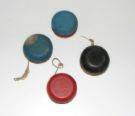 tive was to knock out as many marbles from the ring as you could. When you knocked out a marble it was yours. As the weather warmed, Duncan Yo Yo’s would stage Yo Yo demonstrations at the candy store across from Wicker Park School. They would demonstrate walk the doggie, rock the cradle, looping and other tricks. The kids would buy the Yo Yo’s, and it became a favorite springtime activity. Tops were also fun. The boys would spin their tops and see whose top would spin the longest. Some performed tricks like picking up the top with their top string and continue to spin the top. Lai Lai’s (paddles with attached rubber band and ball) were toys that boys and girls played in the 40’s... Pitching pennies was a way to spend idle time. All y
 ou needed was 2 square blocks in a sidewalk and two pennies per player. The objective was too see who got the most points. Points were totaled by seeing how close you got to the liner or line in the sidewalk. You normally got 5 points for a liner and one point if you were closer to the liner than your opponent. It was like playing horseshoes. Collecting and trading baseball and football cards became an exciting activity. You’d buy a pack of bubble gum and got a few cards. I also collected basketball and boxing cards. I’d be a rich man today if I had only kept those cards.
As we moved into April we played with toy cars and cops and robbers. We used a lot of imagination and make believe. We had a lot of hiding places; I remember using squirt guns to squirt your enemy. This also turned into Cowboys and Indians which was played in the empty lot on Evergreen Avenue. As we got older the empty lot became our ball field for baseball and football. In the spring we’d come out and play ball. It was always critical that someone have a bat and ball... The field would be laid out; we’d used a stick to draw the bases. Baseball was our favorite past time and continued thru summer. As we grew older we’d take the streetcar to Wrigley Field. We’d walk to North Avenue and hop on a bus or streetcar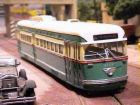 to Clark Street. We then picked up the Green Hornet Streetcar which took us to Wrigley Field at Clark and Addison. As you guessed, we were all Cub fans. We would arrive with our gloves for batting practice in hop
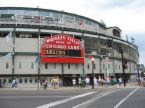 es of catching a ball. We sat in the bleachers. Tickets were no more than 75cents. I remember watching some of the greats: Stan Musial, Jackie Robinson, Eddie Stanky, Leo Durocher, Don Newcomb, Roy Campanella, Willie Mays and many more. After batting practice and the playing of the Star Spangled Banner, Pat Piper the field announcer would echo the sound “PLAY BALL”.
The Cubs didn’t have the best of teams but they were our heroes. Andy Pafko was my favorite... Some of the Cubs stars were: Bill (Swish) Nicholson, Bob Rush, Johnny Schmitz, Bob Scheffing, Peanuts Lowry and Eddie Waitkus. It was somewhere in this period that Eddie Waitkus was shot by a friend. He recovered and went on to play with the Philadelphia Phillies. At that time there were 2 leagues, the American and National leagues, each with 8 teams... The Cubs didn’t win many games, but we continued to root for them.
In the summer we’d catch flies to feed the spiders. We go in the alleys and catch the flies and throw them in spider webs and wait for the spider to pounce on the fly. Our basements were full of webs so it was a great sport. By the way, no one got sick or died. In the evening our i nterest turned to fire flies. Cork stands were big. The kids would get a wooden box from the grocery store and erect the cork stand. A cork stand was a roulette table. It was divided into areas or slots with a spinner in the center. The spinner was made from an ice cream bar stick and cork and nailed to the top of the box. For chips we collected corks from the soda cooler in a candy store. Some kids used the wooden boxes to make scooters. They would cut a 4 foot plank of wood to which they’d nail roller skate wheels to the bottom to move the scooter. They made handles to steer the scooter.
Most of the summer was spent playing baseball. We would play softball in the empty lot. I remember an event that scared the wits out of me; I was playing left field. Left field backed up to an alley which housed a barn. In the barn a girl had a horse and German shepherd. On this day the girl was out with her horse and dog. On one of the plays, I went back to catch a fly ball and found myself with the German shepherd’s teeth reaching up and biting my rear end. . You never saw anyone run faster than I did. I can’t remember catching the ball. I ran home and fortunately the dog bite did not go thru my trousers. There was a small mark, but nothing serious. I returned later, but not to left field. During summer vacation a lot of time was s pent playing hardball in the Wicker Park Schoolyard... We’d get a number of guys together in the morning to play .They’d hop on their bikes and head for the school yard. I never had a bike so I’d hop a ride with one of the guys. I’d bring along my trusty three finger mitt that I bought with my First Communion money. Home plate was located at the middle of the school yard, against the east alley fence which bordered the school. The gravel made for a lively field. I can remember the excitement and feel of catching a fly ball or fielding a groundball, but nothing was greater than the crack of a bat and ball meeting to give the satisfaction of a hit... When it was exceptionally hot, John, the maintenance engineer would let us get water from the boiler room... Sometimes we’d pitch in and share a Pepsi. In between our regular games we would play ‘Hit Em Outs: a game we played with a small pink ball on the school grounds. We would play in an area were there was a pinner; a pinner was a sharp cement part of the building that was used to simulate a bat hitting the light weight pink ball. One person would be the hitter (have the ball hit the pinner) and another one or two players played the field. We’ set rules for hits and found it to be a fun game. On days when no one was around you could occupy your time playing dice baseball. You prepare a scorecard of the two teams you wanted to play. You needed a pair of dice and then roll them: 12 was a home run, 11 a double, 2 a triple, 5 a single, 7 a strikeout and the rest outs. .In the evenings we‘d watch the Rippers or Wolves play softball.
Summer was also a time for family. Some of the kids would go to Wisconsin or Michigan to spend time with relatives or friends. They would swim or fish. I remember an unfortunate incident when a number of neighbor boys went to Lake Michigan to fish. There was a tragic accident when two brothers fell into the water and drowned. Sunday was a day for church and a ride to Caldwell Woods... We’d take the Milwaukee Avenue streetcar to the end of the line at Milwaukee and Devon. Sometimes we would walk to St. Adalberts Cemetery to visit the graves of relatives. This was the final resting place for most North side Poles. After the visit we’d head to the woods. On a typical Sunday they would have numerous picnics sponsored by various Polish Clubs and other ethnic groups... A number of picnics would have polka bands. It was always a treat when L’l Wally or Eddie Zima played. The woods would be packed and they had two levels, upstairs and downstairs. The difference was a hill that you had to climb up or down. There were cement platforms for dancing and picnics, the big picnics had a bar that was constructed from beer or soda case s and long boards to serve drinks. The older men still wore white flat straw hats, brown and white shoes, long sleeve shirts that were rolled up and ties. The women wore light weight summer dresses. The younger girls would wear black slacks, white blouses and low heel dancing shoes. Everyone was happy as they danced, drank and had a good time. My Uncle Frank would come early on Sunday mornings and save a table where we could meet, play cards, chat and enjoy the day.
As summer ended and school rolled around our interest turned to football. After school a few of us would gather in the empty lot to play touch football... Sometimes we played in the street. The problem playing in the street was parked cars and traffic. I remember for a while we used the old American Football League white football with black stripes. The spiral passes stood out with the white and black flying through the air. Normally we used a standard brown football. It was a ball someone had received for Christmas or their birthday. On a few occasions we’d go to Wicker Park and play tackle football. In the park we would meet other school kids that we normally would not play with. There was a little grass, but the ground was hard. No one had helmets or pads. We were tough and played till dusk. We would play football into December. By that time the ground was frozen which made for a fast field. On occasions we’d go to St. Aloysius to play basketball. St. ALS had a basketball court and if lucky no one would be playing. We’d play “HORSE: and if we had enough players we start up a full court game. HORSE was a game were a basket counted for a letter. The first player to spell HORSE would be the winner. When January and February rolled around some of the kids went to the Association House to play basketball.
When it was time to come home the moms would call out, “Georgie, time to come home”. The mothers would call from their back porches or front windows. Normally it was supper time. If the game was still in progress somebody would be standing by waiting to get into the game. It was a good time; we got plenty of fresh air, exercise, stayed healthy. and didn’t get into trouble...Oh, maybe some of the language got colorful, but nothing serious. We didn’t have TV’s, computers or electronic games. We used our imagination in playing what I call unorganized fun. We had no coaches, sodded fields or special equipment. We used what was available. Those were the good old days.
Next week join me as we discuss old time radio.
Sasiad
March ushered in flying kites and the call to play. Marbles was a game that we played. We’d gather around someone’s front yard which had a hard piece of ground and no grass. Someone would find a stick and draw a circle. It was like playing pool. Each player put an equal number of marbles into the ring. Then we’d take turns with what we called a shooter. The objec
 tive was to knock out as many marbles from the ring as you could. When you knocked out a marble it was yours. As the weather warmed, Duncan Yo Yo’s would stage Yo Yo demonstrations at the candy store across from Wicker Park School. They would demonstrate walk the doggie, rock the cradle, looping and other tricks. The kids would buy the Yo Yo’s, and it became a favorite springtime activity. Tops were also fun. The boys would spin their tops and see whose top would spin the longest. Some performed tricks like picking up the top with their top string and continue to spin the top. Lai Lai’s (paddles with attached rubber band and ball) were toys that boys and girls played in the 40’s... Pitching pennies was a way to spend idle time. All y
 ou needed was 2 square blocks in a sidewalk and two pennies per player. The objective was too see who got the most points. Points were totaled by seeing how close you got to the liner or line in the sidewalk. You normally got 5 points for a liner and one point if you were closer to the liner than your opponent. It was like playing horseshoes. Collecting and trading baseball and football cards became an exciting activity. You’d buy a pack of bubble gum and got a few cards. I also collected basketball and boxing cards. I’d be a rich man today if I had only kept those cards.
As we moved into April we played with toy cars and cops and robbers. We used a lot of imagination and make believe. We had a lot of hiding places; I remember using squirt guns to squirt your enemy. This also turned into Cowboys and Indians which was played in the empty lot on Evergreen Avenue. As we got older the empty lot became our ball field for baseball and football. In the spring we’d come out and play ball. It was always critical that someone have a bat and ball... The field would be laid out; we’d used a stick to draw the bases. Baseball was our favorite past time and continued thru summer. As we grew older we’d take the streetcar to Wrigley Field. We’d walk to North Avenue and hop on a bus or streetcar
 to Clark Street. We then picked up the Green Hornet Streetcar which took us to Wrigley Field at Clark and Addison. As you guessed, we were all Cub fans. We would arrive with our gloves for batting practice in hop
 es of catching a ball. We sat in the bleachers. Tickets were no more than 75cents. I remember watching some of the greats: Stan Musial, Jackie Robinson, Eddie Stanky, Leo Durocher, Don Newcomb, Roy Campanella, Willie Mays and many more. After batting practice and the playing of the Star Spangled Banner, Pat Piper the field announcer would echo the sound “PLAY BALL”.
The Cubs didn’t have the best of teams but they were our heroes. Andy Pafko was my favorite... Some of the Cubs stars were: Bill (Swish) Nicholson, Bob Rush, Johnny Schmitz, Bob Scheffing, Peanuts Lowry and Eddie Waitkus. It was somewhere in this period that Eddie Waitkus was shot by a friend. He recovered and went on to play with the Philadelphia Phillies. At that time there were 2 leagues, the American and National leagues, each with 8 teams... The Cubs didn’t win many games, but we continued to root for them.
In the summer we’d catch flies to feed the spiders. We go in the alleys and catch the flies and throw them in spider webs and wait for the spider to pounce on the fly. Our basements were full of webs so it was a great sport. By the way, no one got sick or died. In the evening our i
 nterest turned to fire flies. Cork stands were big. The kids would get a wooden box from the grocery store and erect the cork stand. A cork stand was a roulette table. It was divided into areas or slots with a spinner in the center. The spinner was made from an ice cream bar stick and cork and nailed to the top of the box. For chips we collected corks from the soda cooler in a candy store. Some kids used the wooden boxes to make scooters. They would cut a 4 foot plank of wood to which they’d nail roller skate wheels to the bottom to move the scooter. They made handles to steer the scooter.
Most of the summer was spent playing baseball. We would play softball in the empty lot. I remember an event that scared the wits out of me; I was playing left field. Left field backed up to an alley which housed a barn. In the barn a girl had a horse and German shepherd. On this day the girl was out with her horse and dog. On one of the plays, I went back to catch a fly ball and found myself with the German shepherd’s teeth reaching up and biting my rear end. . You never saw anyone run faster than I did. I can’t remember catching the ball. I ran home and fortunately the dog bite did not go thru my trousers. There was a small mark, but nothing serious. I returned later, but not to left field. During summer vacation a lot of time was s
 pent playing hardball in the Wicker Park Schoolyard... We’d get a number of guys together in the morning to play .They’d hop on their bikes and head for the school yard. I never had a bike so I’d hop a ride with one of the guys. I’d bring along my trusty three finger mitt that I bought with my First Communion money. Home plate was located at the middle of the school yard, against the east alley fence which bordered the school. The gravel made for a lively field. I can remember the excitement and feel of catching a fly ball or fielding a groundball, but nothing was greater than the crack of a bat and ball meeting to give the satisfaction of a hit... When it was exceptionally hot, John, the maintenance engineer would let us get water from the boiler room... Sometimes we’d pitch in and share a Pepsi. In between our regular games we would play ‘Hit Em Outs: a game we played with a small pink ball on the school grounds. We would play in an area were there was a pinner; a pinner was a sharp cement part of the building that was used to simulate a bat hitting the light weight pink ball. One person would be the hitter (have the ball hit the pinner) and another one or two players played the field. We’ set rules for hits and found it to be a fun game. On days when no one was around you could occupy your time playing dice baseball. You prepare a scorecard of the two teams you wanted to play. You needed a pair of dice and then roll them: 12 was a home run, 11 a double, 2 a triple, 5 a single, 7 a strikeout and the rest outs. .In the evenings we‘d watch the Rippers or Wolves play softball.
Summer was also a time for family. Some of the kids would go to Wisconsin or Michigan to spend time with relatives or friends. They would swim or fish. I remember an unfortunate incident when a number of neighbor boys went to Lake Michigan to fish. There was a tragic accident when two brothers fell into the water and drowned. Sunday was a day for church and a ride to Caldwell Woods... We’d take the Milwaukee Avenue streetcar to the end of the line at Milwaukee and Devon. Sometimes we would walk to St. Adalberts Cemetery to visit the graves of relatives. This was the final resting place for most North side Poles. After the visit we’d head to the woods. On a typical Sunday they would have numerous picnics sponsored by various Polish Clubs and other ethnic groups... A number of picnics would have polka bands. It was always a treat when L’l Wally or Eddie Zima played. The woods would be packed and they had two levels, upstairs and downstairs. The difference was a hill that you had to climb up or down. There were cement platforms for dancing and picnics, the big picnics had a bar that was constructed from beer or soda case
 s and long boards to serve drinks. The older men still wore white flat straw hats, brown and white shoes, long sleeve shirts that were rolled up and ties. The women wore light weight summer dresses. The younger girls would wear black slacks, white blouses and low heel dancing shoes. Everyone was happy as they danced, drank and had a good time. My Uncle Frank would come early on Sunday mornings and save a table where we could meet, play cards, chat and enjoy the day.
As summer ended and school rolled around our interest turned to football. After school a few of us would gather in the empty lot to play touch football... Sometimes we played in the street. The problem playing in the street was parked cars and traffic. I remember for a while we used the old American Football League white football with black stripes. The spiral passes stood out with the white and black flying through the air. Normally we used a standard brown football. It was a ball someone had received for Christmas or their birthday. On a few occasions we’d go to Wicker Park and play tackle football. In the park we would meet other school kids that we normally would not play with. There was a little grass, but the ground was hard. No one had helmets or pads. We were tough and played till dusk. We would play football into December. By that time the ground was frozen which made for a fast field. On occasions we’d go to St. Aloysius to play basketball. St. ALS had a basketball court and if lucky no one would be playing. We’d play “HORSE: and if we had enough players we start up a full court game. HORSE was a game were a basket counted for a letter. The first player to spell HORSE would be the winner. When January and February rolled around some of the kids went to the Association House to play basketball.
When it was time to come home the moms would call out, “Georgie, time to come home”. The mothers would call from their back porches or front windows. Normally it was supper time. If the game was still in progress somebody would be standing by waiting to get into the game. It was a good time; we got plenty of fresh air, exercise, stayed healthy. and didn’t get into trouble...Oh, maybe some of the language got colorful, but nothing serious. We didn’t have TV’s, computers or electronic games. We used our imagination in playing what I call unorganized fun. We had no coaches, sodded fields or special equipment. We used what was available. Those were the good old days.
Next week join me as we discuss old time radio.
Sasiad
Subscribe to:
Posts (Atom)
